Why Is My Toilet Cistern Not Filling or Filling Slowly?
Flushed the toilet and now the cistern will not refill — or takes ages to do so? The cause is usually straightforward. Here is what to look for and when to get it fixed.
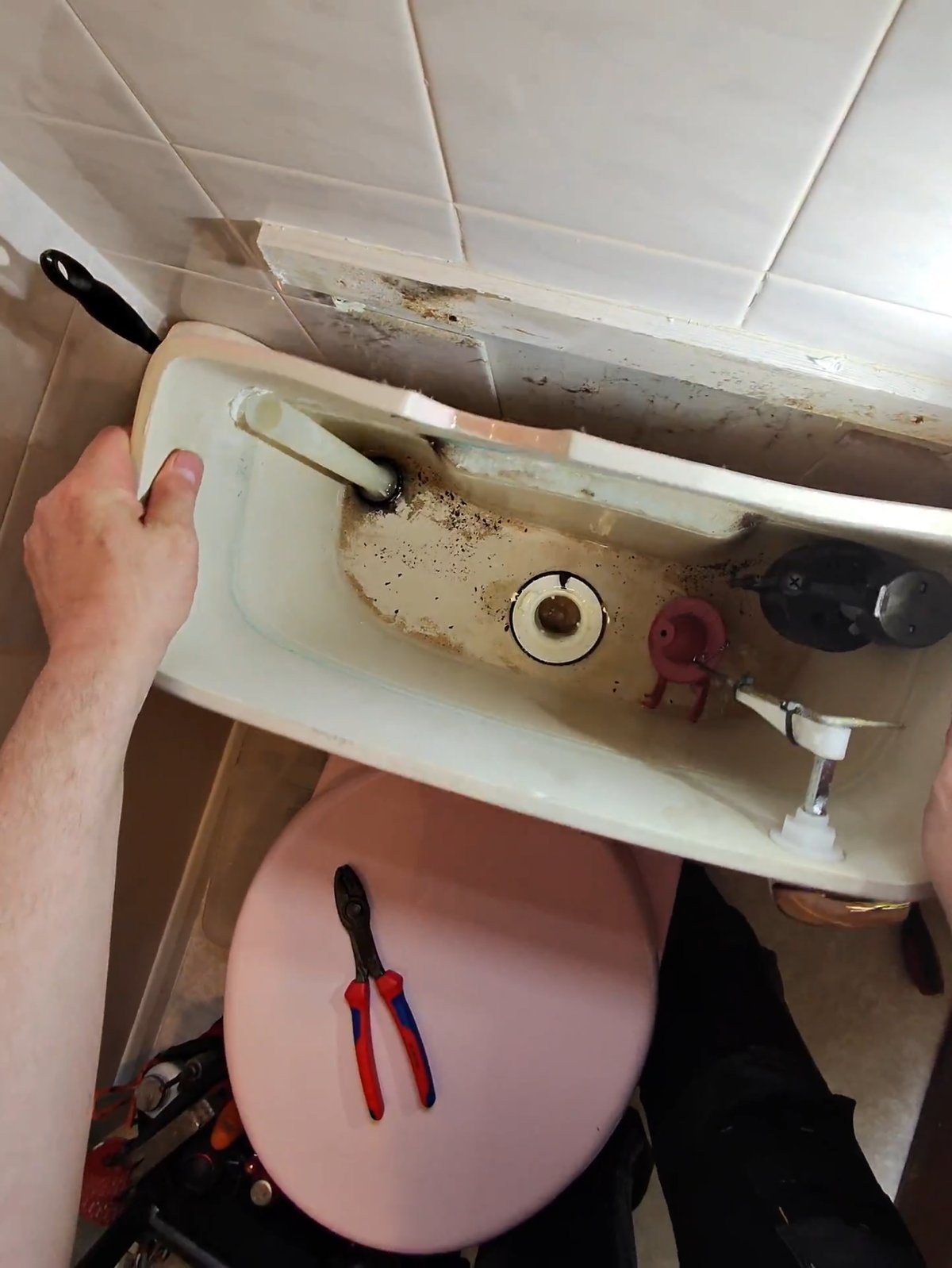
First, identify the symptom
There is a useful difference between a cistern with no water entering at all, one that refills very slowly, and one that fills but then empties again. The first two usually point to the water supply, fill valve or float. If it fills and then loses water, read our silent-leak guide instead.
No refill at all
Check whether water is reaching the cistern and whether the fill valve is moving freely.
Very slow refill
A worn, scaled or restricted fill valve is the usual cause.
Fills, then drops
Water may be escaping through the flush valve seal into the bowl.
Cause 1 — The isolation valve or water supply
The small valve on the pipe feeding the toilet is called the isolation valve. If it has been partly closed, or if the water supply has been interrupted, the cistern may not refill properly after flushing.
Safe check
If the valve is clearly accessible and turns freely, check that it has not been left partly closed. Do not force a stiff valve and do not attempt to dismantle one that is leaking — it is better to leave it alone and arrange a repair.
Cause 2 — A restricted or worn fill valve
The fill valve is the component that opens after flushing and lets water back into the cistern. It can become restricted by debris, wear out internally, or become sluggish with limescale. This is the most common reason for a cistern that trickles in slowly or stops refilling altogether.
Hard water note: Ashford's hard water can leave limescale around moving cistern components. If the toilet is older and the refill has gradually become slower, the fill valve is a strong suspect.
Cause 3 — A stuck or damaged float
The float tells the fill valve when the cistern is full. On older toilets this may be a ball float on an arm; on many newer toilets it is built into the fill valve. If it sticks in the raised position, the valve can remain shut even though the cistern is empty.
What you may notice
With the lid lifted on an accessible cistern, the float may be visibly caught against another component. If you are unsure what you are looking at, take a clear photo from above and send it to Flow Right rather than moving parts at random.
Cause 4 — The flush mechanism is not closing
Sometimes the cistern is receiving water, but it cannot hold it because the flush valve or button mechanism is sticking open. You may see water level rise briefly and then fall, or hear water entering the bowl. That is usually a different fault from a slow refill and is covered in more detail in our silent toilet leak guide.
When to call a plumber
- No water enters the cistern after you flush
- The isolation valve is stiff, seized or dripping
- The cistern is concealed behind a wall or flush plate
- The refill has become slower and you can see scale or wear on the components
- The cistern fills and then immediately loses water again
Frequently asked questions
Why is my toilet cistern not filling after flushing?
The most common cause is a problem with the fill valve, which lets water back into the cistern after flushing. A closed isolation valve, stuck float, debris or limescale can also stop or restrict the refill.
Why is my toilet cistern filling so slowly?
A slow refill is often caused by a worn or restricted fill valve. In hard-water areas, limescale and debris can reduce the water flow through the valve.
Can limescale stop a toilet cistern filling?
Yes. Limescale can build up around fill-valve components and restrict their movement or water flow. Ashford is in a hard-water area, so this is a common reason for slow cistern refilling.
Can I still use a toilet if the cistern is not refilling?
You may have one flush from the water already in the cistern, but the toilet will not work normally until the cistern refills. Avoid repeatedly operating the flush if the mechanism appears stuck.
When should I call a plumber for a slow-filling toilet?
Call a plumber if no water is entering the cistern, the isolation valve is stiff or leaking, the cistern is concealed, or a simple check does not restore a normal refill. Flow Right can review a photo and provide a fixed price before work is agreed.
Do you repair toilet cisterns in Ashford?
Yes. Flow Right Plumbing repairs toilet cisterns across Ashford and the surrounding villages, including fill-valve replacements, float faults, flush mechanisms and isolation valves.
Related pages
Cistern still not filling?
Send a clear photo of the accessible cistern on WhatsApp. Flow Right can review the details and let you know whether a fixed price can be provided before any work is agreed.
Fixed prices agreed before work starts · One-year workmanship guarantee
Related help
Toilet problem? Start with the right next step.
Read the guide that matches the symptom, see the repair service, or upload a photo or video and a short description for assessment first.
You can also send a photo on WhatsApp if that is easier.