Hard Water in Ashford —
What It Does to Your Plumbing
Ashford sits in one of the hardest water areas in England. Over time, the dissolved minerals in the local water supply build up inside tap cartridges, shower valves, and toilet cisterns — causing drips, low pressure, and constant running. Most of these are small, fixable jobs.
What Is Hard Water?
Hard water contains higher concentrations of dissolved calcium and magnesium — minerals that enter the water supply as rainwater filters through chalk and limestone rock. South East Water, which supplies Ashford and the surrounding villages, draws most of its water from chalk aquifers beneath Kent and Sussex. As a result, the water in this area is classified as hard.
Hard water is perfectly safe to drink. The problem is what happens when it is heated or sits inside plumbing fittings. As water temperature rises — or simply as water evaporates — the dissolved minerals are left behind as a white, chalky deposit: limescale. Over time, this builds up inside tap cartridges, shower valves, toilet fill valves, and the small jets in shower heads.
The result is not usually a sudden failure. It is a gradual deterioration: a tap that starts to drip, a shower that slowly loses pressure, a toilet that begins to run constantly. These are the everyday plumbing problems that hard water causes — and in most cases, they are straightforward to fix.
Recognise the symptoms
Signs Your Plumbing May Be Affected by Limescale
These are the most common problems we see in Ashford homes. None of them are certain proof of limescale — but in a hard water area, they are worth investigating.
Dripping tap that won't stop
Limescale builds up on ceramic cartridges and tap seats, preventing a clean seal. The tap drips even when fully closed.
Low shower pressure
Mineral deposits clog shower heads and block the small jets inside mixer and electric shower valves, reducing flow over time.
Toilet constantly running or slow to fill
The fill valve (ballcock) inside the cistern is a common limescale target. Deposits on the valve seat stop it closing properly.
Stiff or hard-to-turn tap handles
Limescale around the cartridge housing makes taps stiff and difficult to operate — often a sign the cartridge is close to failing.
White crusty deposits around fittings
Visible limescale around tap bases, shower heads, and overflow pipes is a reliable indicator of hard water build-up inside the fittings too.
Shower valve dripping or leaking
Thermostatic and manual shower valves contain ceramic discs and O-rings that limescale can damage, causing drips from the valve body or spout.
What a plumber can do
How Flow Right Can Help
We fix the plumbing components that limescale damages most. All work is fixed-price, agreed before we visit.
Tap cartridge replacement
When limescale has worn or damaged a cartridge beyond cleaning, we replace it with a new ceramic cartridge — restoring a drip-free seal.
Shower valve descaling and replacement
We descale accessible shower valve components and replace worn ceramic discs, O-rings, and valve cartridges where limescale has caused damage.
Shower head descaling
Blocked shower heads are cleaned or replaced. We can also fit a shower head with an easy-clean nozzle to reduce future build-up.
Toilet fill valve replacement
A limescale-damaged fill valve is replaced with a new one — stopping the constant running sound and reducing water waste.
Inline scale reducer fitting
For taps and shower supplies, we can fit a small inline scale reducer on the supply pipe to slow limescale build-up on the components downstream.
Isolation valve replacement
Limescale can seize isolation valves under sinks and behind toilets, making them impossible to turn in an emergency. We replace seized valves before they become a problem.
Water softener supply and installation
We can supply and install a water softener suited to your property's needs. A whole-house softener treats the water at the point of entry, protecting all your plumbing fittings, appliances, and hot water system from limescale. We assess each property individually and recommend the right system for the size of the home and the local water hardness.
Before you call a plumber
What You Can Do Yourself
Some limescale problems are easy to tackle at home. These are worth trying before booking a visit:
- Blocked shower head: Unscrew the head and soak it overnight in white vinegar. This dissolves surface limescale and often restores full flow.
- Furred-up kettle: Commercial descaler tablets or a white vinegar solution work well. Follow the product instructions.
- Limescale around tap bases: A damp cloth with a small amount of white vinegar removes surface deposits. Regular wiping prevents heavy build-up.
- Visible deposits on overflow pipes: These can be wiped away. They are cosmetic rather than a plumbing problem.
When to call us
When to Call a Plumber
Surface limescale is a cleaning job. Internal limescale — inside cartridges, valves, and fill mechanisms — is a plumbing job. Call us when:
- A tap drips even after you have cleaned the outside of the fitting
- Shower pressure has dropped and soaking the head has not helped
- The toilet is running constantly or taking a long time to fill
- A tap handle has become stiff or difficult to turn
- An isolation valve under a sink or behind a toilet will not turn
Common Questions
Is Ashford in a hard water area?
Yes. Ashford is supplied by South East Water, which draws most of its water from chalk aquifers across Kent and Sussex. South East Water describes the water it supplies across this region as hard. This means higher levels of dissolved calcium and magnesium, which cause limescale to build up in plumbing fittings over time.
Does hard water damage pipes?
Hard water can cause limescale to build up inside pipes over many years, but the more common and immediate problem is damage to the smaller components inside taps, shower valves, and toilet cisterns. Ceramic cartridges, valve seats, O-rings, and fill valves are all affected by limescale long before the pipes themselves become a concern.
How do I know if limescale is causing my dripping tap?
A dripping tap in a hard water area is often caused by a worn or limescale-damaged ceramic cartridge. If the tap is more than a few years old and has never had the cartridge replaced, limescale is a likely contributor. A photo sent on WhatsApp will help us assess whether a cartridge replacement is the right fix.
Can a plumber fix limescale problems?
Yes. We replace worn tap cartridges, shower valve components, and toilet fill valves, and we can fit inline scale reducers on individual supply pipes to slow future build-up. We also supply and install whole-house water softeners for properties where a permanent solution is the right choice. Flow Right will assess your property and advise on the best approach.
What can I do myself to reduce limescale?
For surface limescale on shower heads, soaking in white vinegar overnight is effective and safe. Commercial descaler tablets work well in kettles. Wiping tap bases and shower fittings regularly with a damp cloth prevents visible build-up. However, limescale inside cartridges and valve bodies cannot be cleaned from the outside — those components need to be replaced once they start to fail.
Think Limescale Is the Problem?
Send a photo on WhatsApp and we'll let you know whether it is a limescale issue, what the fix is, and what it will cost — before any visit is booked.
Fixed prices agreed for the identified work. Any £49.99 diagnostic attendance is agreed before booking. One-year guarantee on workmanship and Flow Right-supplied materials, subject to Terms; customer-supplied items are workmanship-only.
The Hard Water Hall of Shame
Meet the Villains
Every dripping tap, every blocked shower head, every running toilet — it usually comes down to these two.
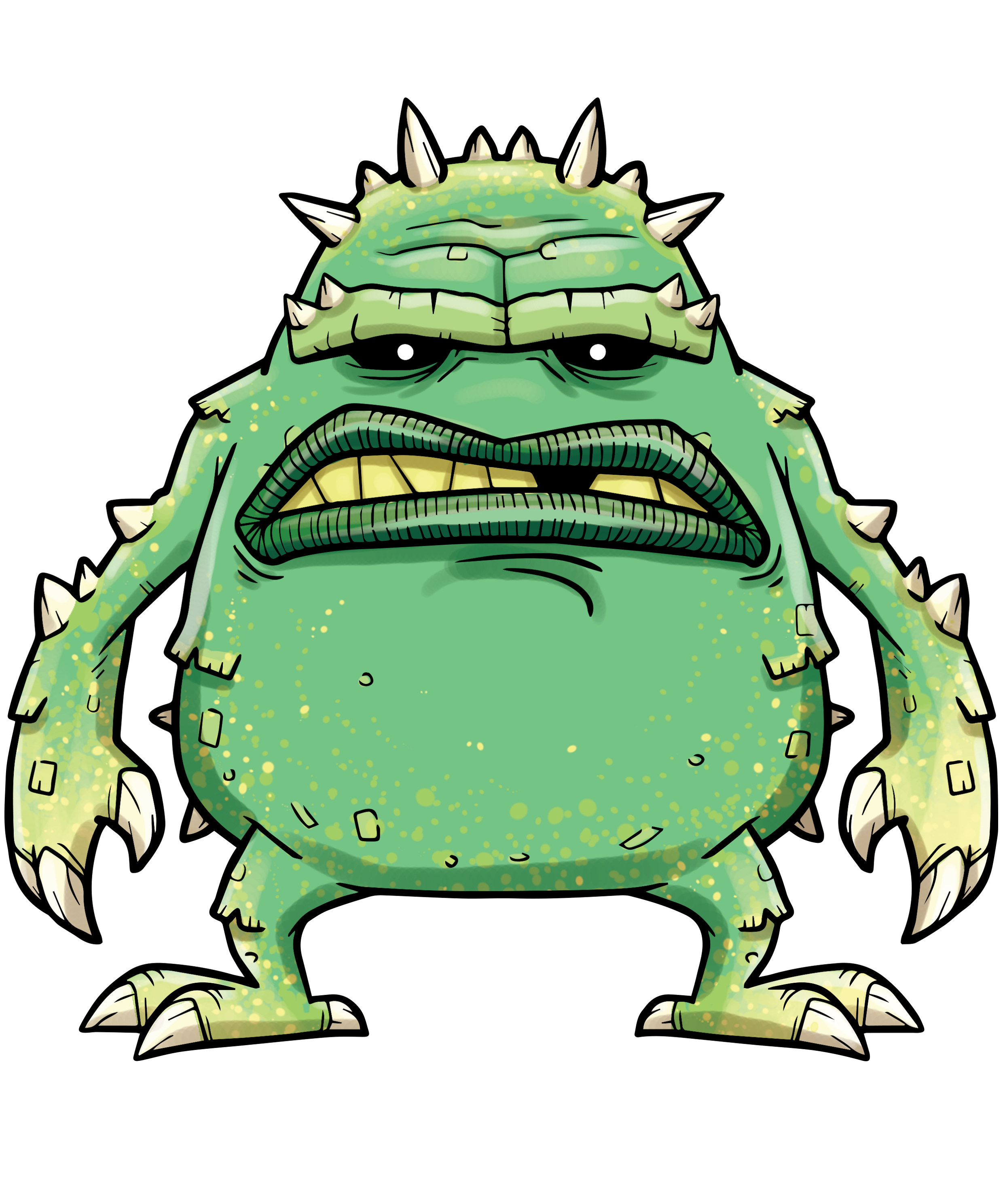
Scale
The hard, chalky deposit that builds up inside tap cartridges, shower valves, and toilet fill valves. Scale is the reason your tap drips, your shower pressure drops, and your toilet won't stop running.
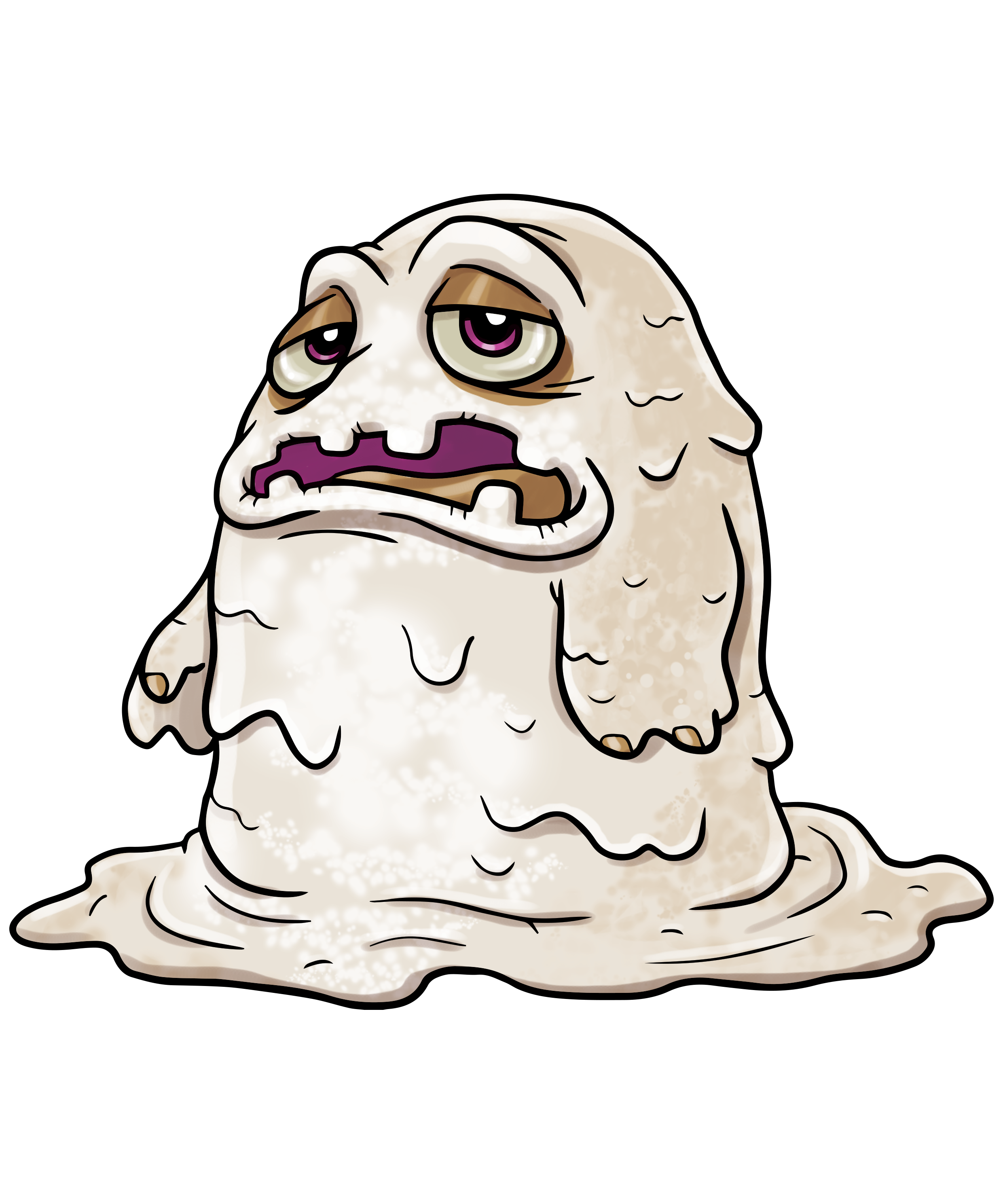
Scum
Hard water reacts with soap to form a grey, sticky residue — soap scum. It coats shower screens, bath surfaces, and tap fittings, making them harder to clean and hiding the limescale damage underneath.
© Scale and Scum — original characters created for Flow Right Plumbing®. All character images are the copyright and original ownership of Flow Right Plumbing®.

Time to Fight Back?
Whether it's a quick cartridge replacement or a whole-house water softener, Flow Right will assess your property and recommend the right solution — fixed price, agreed before we start.
Send a photo on WhatsApp